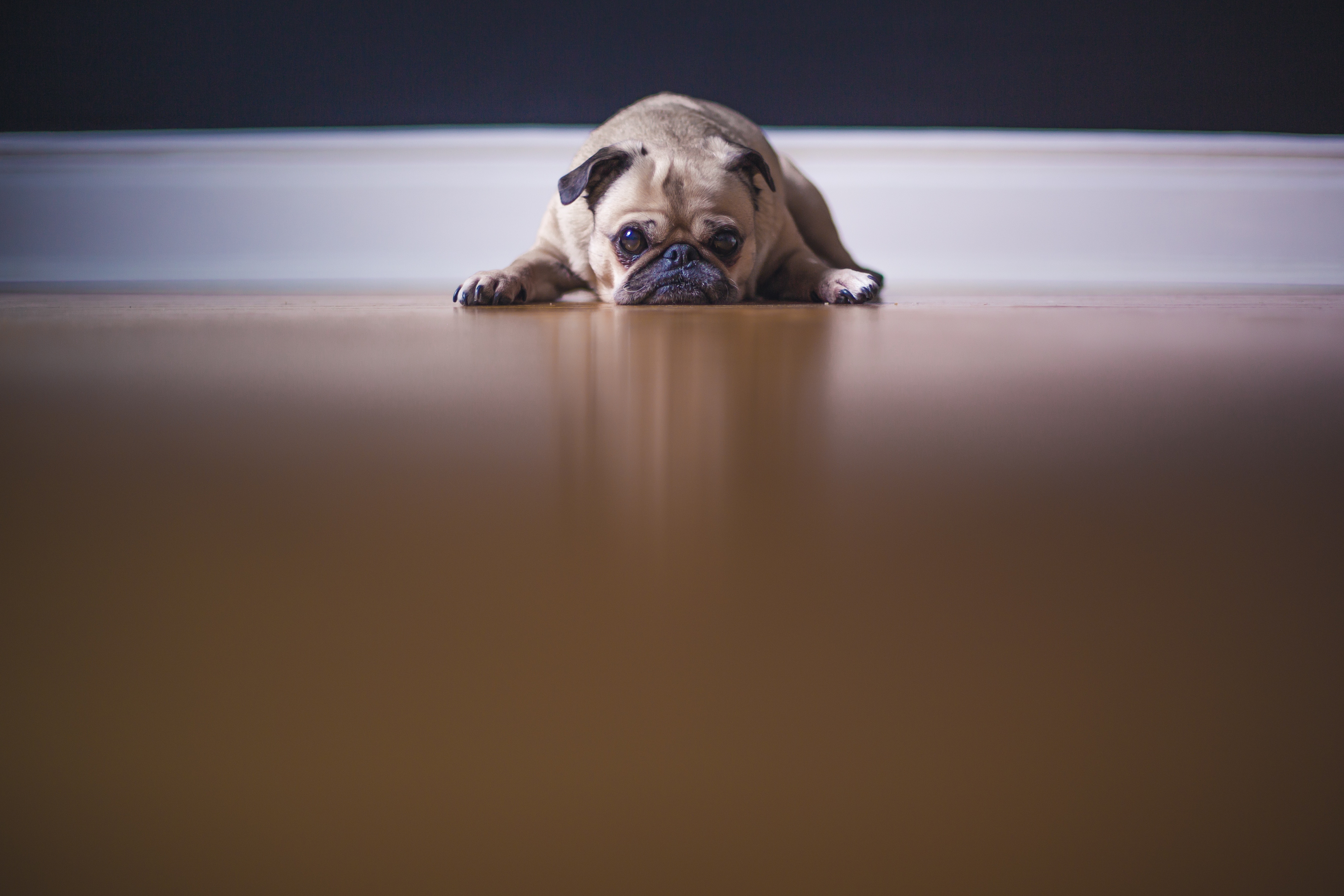
 It might seem silly to think your pet has anxiety when you are apart from one another, but it is more common than you might suspect. In fact, 20-40% of dogs who see a veterinary behavioral specialist suffer from separation anxiety, according to The College of Veterinary Medicine at the University of Illinois.
Pet parents often mistake the signs of separation anxiety as just plain bad behavior, but negative behavior typically stems from an underlying cause. Signals that your dog could be suffering from separation anxiety include:
- Going to the bathroom inside when housebroken
- Excess whining or barking
- Pacing
- Attempting to escape
- Chewing or digging on household items
All of these activities are normal if they happen in your presence. If they happen only when your dog is left alone, a more serious cause may be to blame.
Dogs understand when household trends, behaviors and schedules are different. For example, if a dog moves to a new family or a new house with the same family, if there is a death of a pet parent, if a new family member joins the house, or if the pet parent’s time away from home changes significantly, your dog may be emotionally affected by the change.
Luckily, there are actions you can take to help calm your dog’s anxiety, including:
- Exercise and physical activity: Playing fetch, taking long walks, or socializing with other dogs makes your dog tired. Being active before you have to leave the house will help your pup use the quiet time at home to nap while you are gone.
- Make exits/entrances quiet: Your dog may understand the cues that you are about to leave, such as picking up your keys, opening the garage, or putting on your shoes. Trying to recondition your pup may be difficult, but by making each coming and going calmer, it will become easier for Fido to say goodbye. Try not to indulge in long goodbyes or cheerful greetings when they are getting conditioned to being alone.
- Leave a scented item: Use your dog’s keen sense of smell to help him relax. Leave a piece of clothing out so your pup can pick up your scent in the house.
- Keep busy: Dogs have a natural urge to chew. To avoid him chewing on furniture and shoes while you are away, satisfy your dog’s urge to chew before you leave (when you’re still home to supervise your pup). Give your dog a bone that can keep his brain – and teeth – active and satisfied for hours. Jones Natural Chews Stuffed Products are a nutritious, delicious, fun, and 100% natural option for dogs of all sizes.
While leaving your dog is difficult, separation anxiety will diminish over time with proper training. Being persistent with training is vital to success. Every dog is different and may need a combination of treatments to eliminate the anxiety. Talk to your veterinarian for further questions or concerns regarding separation anxiety tips and tricks.